
EDITOR: DOWEL
What if a museum visit felt overwhelming rather than inspiring? For many neurodivergent children, this is still the reality. The Inclusive Museums initiative in Nice set out to change that by asking a simple but demanding question: how can exhibition spaces be redesigned so that neurodivergent visitors are not only accommodated, but actively welcomed.
From awareness workshop to public event
The project unfolded in three phases, anchoring the idea of inclusion in concrete experiences.
It began at École de Condé in Nice, where first-year students in Space Design took part in a one day workshop on neurodiversity. Scientists from O KIDIA introduced current knowledge on neurodevelopmental conditions and shared an immersive virtual reality experience that simulates the perspective of a dyslexic child. Special education counsellors from POP06 complemented this with sensory exercises that made altered perception tangible: heightened sensitivity to light or sound, disorientation in unfamiliar environments, the fatigue that comes with constant adaptation.
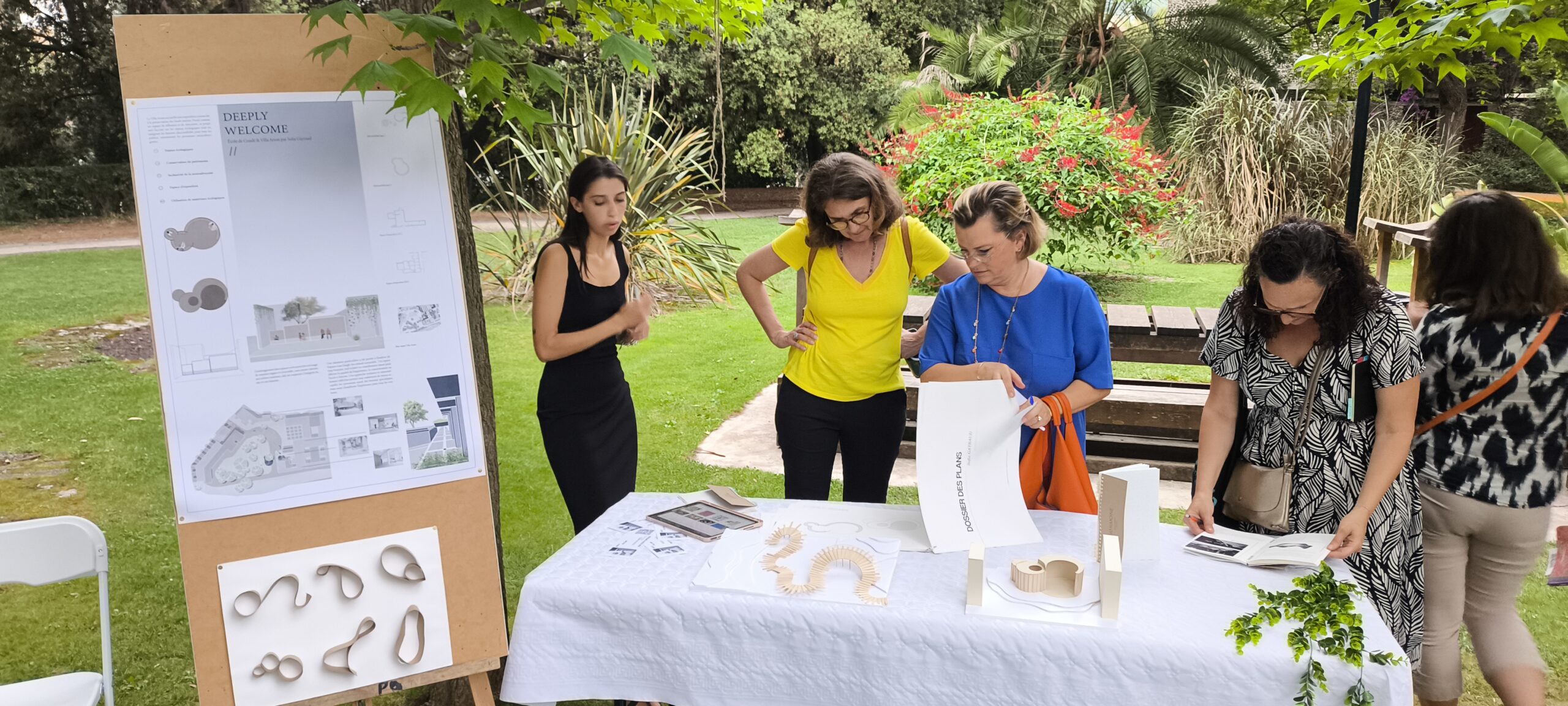
On this basis, the students embarked on a five-week design sprint. Inspired by international inclusive design challenges, they developed spatial concepts for museum experiences that could better support visitors with autism, dyslexia, dyspraxia, ADHD and related conditions. Interim sessions with POP06 experts helped them test ideas and avoid well-meaning but counterproductive solutions. In dialogue with Villa Arson, an art school and cultural institution in Nice, a selection of projects was prepared for exhibition.
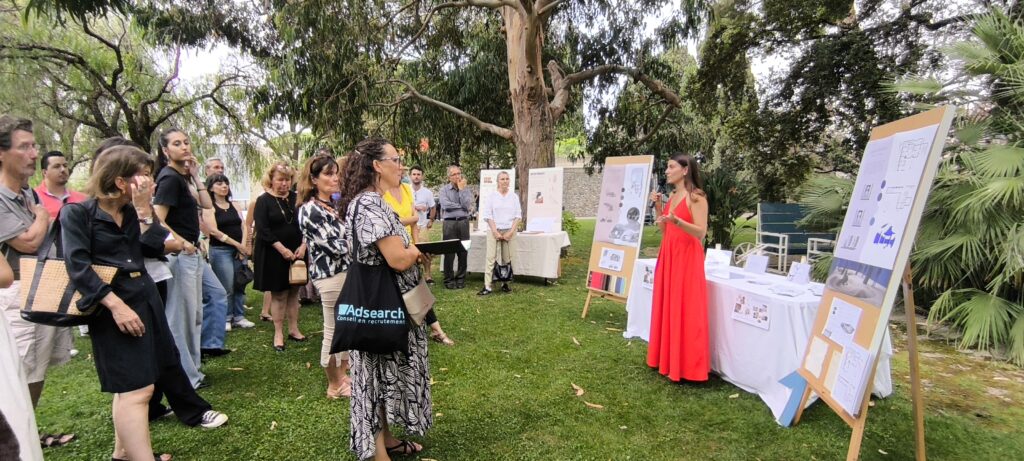
The process culminated on 20 June at Villa Arson with a public event. Museum professionals, designers, researchers, families and associations were invited to explore the students’ proposals, take part in an immersive VR experience and attend a conference that wove together scientific input and artistic performance.
Art and science in collaboration
At the core of Inclusive Museums is a carefully curated encounter between research, practice and artistic interpretation.
O KIDIA contributed their work on early pre-diagnosis of neurodevelopmental disorders and shared how digital tools can support children and their families. POP06 brought years of experience working directly with neurodivergent children and translated scientific knowledge into concrete guidance for educators and designers.
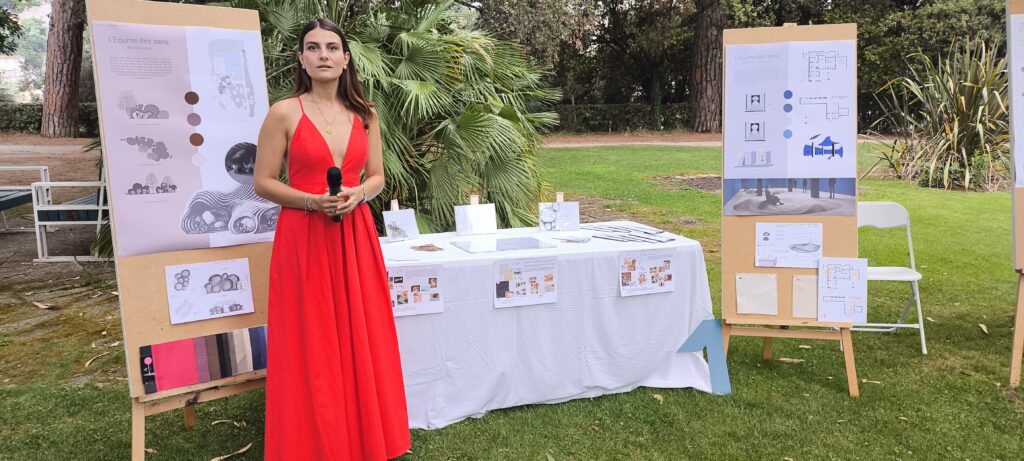
Villa Arson provided more than a venue. As a contemporary art centre embedded in regional and international networks, it helped frame the initiative as part of a broader cultural shift towards accessibility. Through Villa Arson, the project also reached artist Janna Zhiri, whose performance during the conference used poetic storytelling and a sensitive scenography to echo and soften the scientific content. Her brief interventions created pauses in which participants could absorb complex information at an emotional as well as a cognitive level.
For the students, this constellation meant that their design work was never abstract. They were responding to lived experiences described by families, insights from cognitive science, and artistic strategies for inviting attention and care. For scientists and practitioners, the collaboration opened up new ways of communicating around neurodivergence: not as a list of deficits, but as a set of sensory worlds that cultural spaces can either shut down or honour.
What is beginning to change
The immediate traces of the initiative are visible in the six student projects exhibited at Villa Arson and the scenes from the public event: more than eighty people testing VR headsets, listening to scientific explanations, watching a performance, and discussing how museums might feel different in the future.
The deeper effects appear in how participants describe their own shifts. Design students report that they now treat sensory and emotional experience as a starting point for spatial concepts, not an afterthought. Educators at École de Condé see the value of embedding real-world social issues, such as neurodiversity, into the curriculum. Staff at Villa Arson have initiated a working group within their art networks to continue addressing accessibility and are already planning follow-up collaborations with local autism associations.
For research partners like O KIDIA, the initiative has opened access to new user groups and shown how artistic and affective tools can strengthen public engagement around clinical innovation. For families, it has offered a rare space in which their knowledge is treated as central to the design of cultural spaces.
Inclusive Museums is therefore less a one-off event than a prototype for how regions can bring together science, art, education and lived experience to rethink what a museum visit can be. Further details on the outcomes and next steps will be shared as the initiative evolves.
For more examples of how such collaborations develop in different contexts, visit our Success Stories.